A garage door spring rarely fails without warning. The problem is that many people do not acknowledge the caution until the door is already stuck midway open, slamming shut, or refusing to move at all. By that factor, what could have been an organized solution telephone call becomes an immediate security concern, typically at the worst feasible time, early in the early morning, late during the night, or throughout a busy workday.
If you have actually ever before listened to a loud fracture from the garage and presumed something fell off a shelf, there is a great chance a spring let go. I have actually seen property owners invest hours repairing the garage door opener, replacing batteries, resetting limits, and checking breakers, when the real trouble was a worn springtime that had actually merely gotten to the end of its cycle life. A springtime does the hefty training. The opener only overviews the door. When the spring deteriorates or breaks, the whole system goes out of balance.
Knowing when to arrange a garage door spring replacement comes down to a mix of timing, visible problem, door actions, and threat tolerance. The most effective time is normally prior to the spring breaks totally, not after. That sounds noticeable, yet it takes a little context to know what "before" truly looks like.
Why the springtime matters greater than the majority of people realize
Garage doors are stealthily heavy. A conventional double door can weigh a couple hundred pounds, and solid timber or insulated commercial versions can evaluate far more. Springs counterbalance that weight so the door can be raised smoothly by hand or with a garage door opener. When the spring is doing its task, the door really feels controlled and relatively light. When it is not, every various other component of the system starts functioning harder.
That includes the opener, rollers, hinges, cords, and tracks. In residential garage door repair, this pattern shows up all the time. A house owner calls due to the fact that the opener is stressing, the remote response is inconsistent, or the door turns around for no apparent reason. The source typically turns out to be a springtime that is tired out and no garage door services Southport QLD more balancing the door correctly. The opener is not failing initially. It is making up for an issue elsewhere.
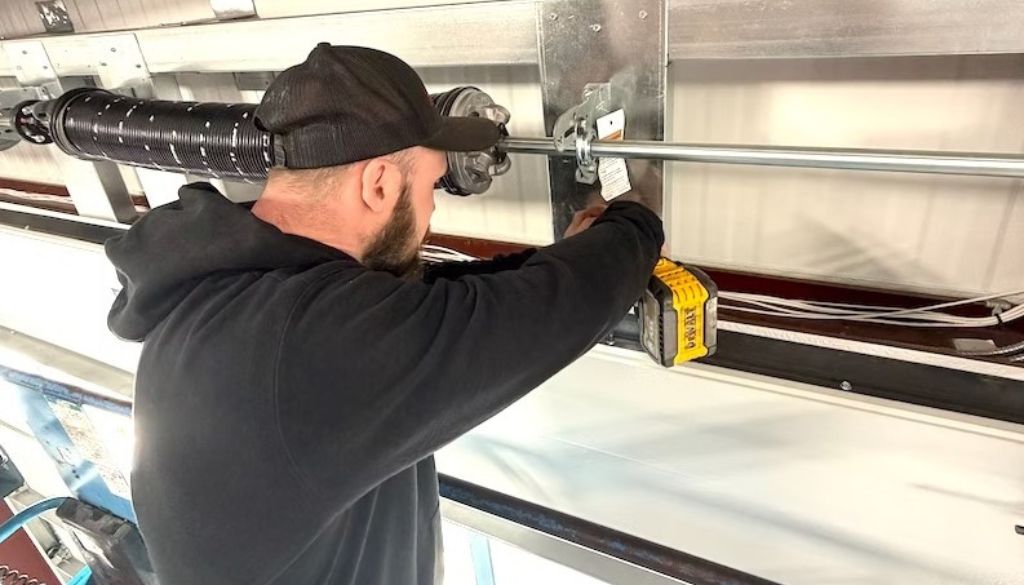
In business garage door repair, the stakes can be even greater. A loading bay door with a worn out springtime can interrupt deliveries, produce downtime, and present a real hazard to team. Organizations typically recognize the expense of emergency situation failing far better than homeowners do, which is why several business homes routine solution based on wear and cycle count as opposed to awaiting a breakdown.
The clearest indicators that substitute must be arranged soon
You do not require to be a professional to spot a number of the common warnings. Some are noticeable, others are refined, yet they often tend to turn up in patterns.
- The door really feels much heavier than it used to, particularly if you disengage the opener and try to raise it manually. The door opens up a few inches and stops, or it begins to shut and then reverses. You hear loud popping, creaking, or an abrupt bang from the garage. The springtime shows visible gaps, extending, rust buildup, or deformation. The opener pressures, jerks, or appears to be doing even more work than normal.
A solitary sign does not constantly indicate the spring needs to be replaced that day, yet two or 3 together usually warrant a service telephone call. A door that has actually become noticeably larger is among the greatest signs. Springs wear progressively, so property owners frequently adjust without recognizing it. They press a little more difficult, hold the wall surface switch a little bit much longer, or stop car park inside because the door is "breaking down." Those are not typical modifications. They are indicators the system is falling out of balance.
The timing inquiry most house owners ask
The sensible version of the question is not simply "when do springtimes break?" It is "when should I act if the door still functions?" That is where experience matters.
If the spring is undamaged but the door is moving erratically, making new noises, or placing tension on the opener, schedule substitute quickly, preferably within days as opposed to weeks. If a springtime is visibly split, separated, or broken, quit utilizing the door and routine solution promptly. If the door is hanging jagged or one side is lower than the other, there may be a cable television issue connected to the spring failure, and that transforms the safety picture.
Springs do not normally enhance with time. Once they are used, they continue to lose tension. Temperature level swings can make the actions more noticeable. Cold weather often exposes a weak springtime due to the fact that steel contracts and lubricants enlarge, so a low system that worked in mild weather can begin stopping working in winter.
I have actually additionally seen doors behave poorly throughout moist periods, particularly when corrosion has been silently developing on the spring coils. Rust raises friction and can shorten the lifespan of the spring. If the spring has noticeable rust and the door is already showing indicators of imbalance, waiting hardly ever saves cash. More often, it increases the chances of added damage to the opener or hardware.
How long garage door springtimes usually last
Most torsion springs are rated by cycle life. One cycle is one complete opening and one complete closing of the garage door. Standard springtimes are commonly ranked around 10,000 cycles, though higher-cycle alternatives are offered. What that means in the real world relies on exactly how commonly the door is used.
A household that opens and shuts the garage door 4 times a day may obtain roughly 7 years from a typical spring, offer or take. A hectic family using it 8 times a day may cut that lifespan virtually in fifty percent. Add in climate, maintenance routines, door weight, and installation quality, and the exact timeline can vary a lot.
That is why age issues, however only as component of the picture. If your springtimes are eight to ten years old and the door is your major entry factor, substitute comes to be a proactive conversation also if you have not had a full failure yet. If they are only three years old but the door was incorrectly balanced throughout garage door installment, the springs may currently be under abnormal stress.
When a consumer tells me, "The door still opens up, however it appears rough and appears larger than last year," and the springtimes are currently well into their expected service life, that is generally the correct time to schedule garage door spring replacement. It is a lot more controlled, easier, and frequently cheaper than awaiting an emergency.
Broken spring versus weak spring
A damaged springtime usually decides for you. The door will certainly closed properly, or it may not open in any way. On a torsion springtime system, you can often see a clear gap where the spring has actually snapped. On extension spring systems, the spring might hang or show up overstretched. Either way, the fixing is urgent.
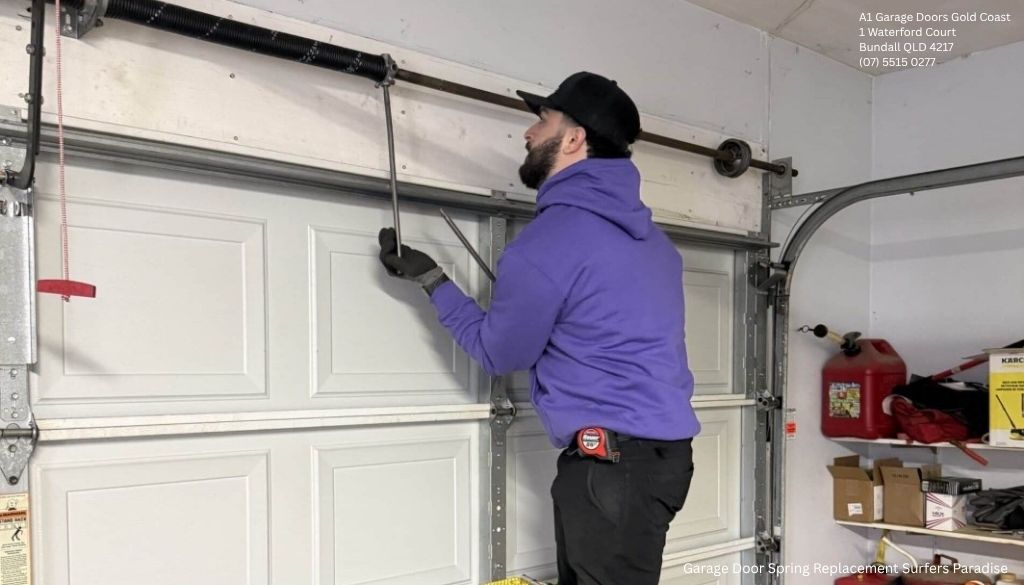
A weak springtime is harder because the door might still operate. That is where people delay too long. They think that if the door actions, the problem is minor. However a weak spring can harm the opener in time, specifically if the opener is making up for extra weight on a daily basis. A garage door opener is designed to move a balanced door, not deadlift an out of balance one.
You can consider a weak springtime like a tire with a slow-moving leak. It is still practically functional, yet every mile enhances the chances of a larger issue. For homeowners, that might imply getting entraped inside on a rushed morning. For an organization, it might suggest an inoperable solution entrance throughout running hours.
Why replacing both springs commonly makes sense
Many dual garage doors use a set of springtimes. When one breaks, the other may still be intact, yet it has actually generally experienced the very same variety of cycles and similar wear. Changing only the failed springtime can obtain the door working again, however it commonly leaves an older spring in place that is not far behind.
This is just one of those judgment calls that depends upon age and problem. If the springtimes were set up together and one has actually failed after years of service, changing both is commonly the smarter choice. The price difference is generally extra manageable than paying for 2 separate check outs, and the door will certainly be stabilized much more regularly. It likewise lowers the opportunity of a second failing in the near future.
On the other hand, if one springtime was replaced recently and the various other is still in good shape, a professional might recommend changing just the failed element. The point is not to offer even more components. It is to match the repair work approach to the real wear pattern.
The seasonal window individuals overlook
Many house owners wait up until the door quits working, but there are much better seasonal home windows for preventative solution. Early loss is a good time due to the fact that temperature drops tend to expose balance problems, and organizing is typically simpler prior to winter weather condition increases emergency situation telephone calls. Spring can likewise be a useful time, specifically if the garage has gone through a cold season with little maintenance.
If you are currently planning household garage door repair, replacing aging springtimes prior to a tough wintertime or prior to a busy summertime travel season is usually wise. Family members count heavily on the garage when school routines, sporting activities equipment, bikes, grass devices, and vacation storage are all in activity. A springtime failing never ever really feels well timed, yet it is specifically disruptive when the garage acts as the house's main entrance.
For commercial residential properties, the timing must comply with use patterns greater than the schedule. If a facility has a door that cycles lots of times a day, spring substitute should be tracked with service documents and expected before peak failure risk.
What takes place if you wait also long
The most prompt risk is safety. A stopping working springtime can cause the door to drop faster than anticipated or come to be uncertain moving. That matters whether the door is above an auto, near a youngster, or component of a work area with foot traffic.
There is also the devices expense. A battling spring can reduce the life of the garage door opener, fray cable televisions, wear out rollers, and toss the door out of alignment. What might have been a straightforward spring replacement can turn into a bigger garage door repair entailing numerous components.
The hassle can be worse than the expense. A trapped automobile, a door stuck open over night, or a disabled filling entryway produces stress that leads individuals to make rushed choices. Emergency solution has its place, however planned service almost always provides you far better options.
I have seen property owners attempt to keep a weak spring passing readjusting opener pressure settings. That is not a repair. It just masks the signs and symptom while boosting wear elsewhere. If the door balance is off, the spring system needs attention, not a stronger press from the motor.
Repair or substitute of the whole door?
Sometimes spring replacement is all that is needed. Other times, it makes sense to go back and ask whether the entire door system is nearing the end of its helpful life.
If the panels remain in good shape, the tracks are sound, and the opener is reliable, replacing the springtimes is normally the right action. It restores secure procedure without the cost of a complete garage door setup. However if the door is older, inadequately protected, nicked, rusting, or mismatched with the home's demands, spring failing can be the moment to take into consideration a more comprehensive upgrade.
That shows up frequently in older homes where the door is undersized, noisy, or hard on the opener also after repairs. A new door with the proper spring system, appropriate balancing, and a suitable garage door opener can significantly improve performance and decrease reoccuring solution calls. Still, not every aging door needs replacement. A strong service technician must be able to inform you whether the springs are the main issue or whether they become part of a larger decline.
What to do the day you suspect spring failure
The safest response is typically basic, and restriction issues greater than improvisation.
- Stop operating the door if it is snagging, knocking, or rejecting to lift normally. Keep individuals free from the opening, particularly children and pets. Do not draw the emergency release unless you recognize the door's weight and position. Avoid trying to replace or wind the springs yourself. Call a qualified garage door repair expert and describe what changed.
That guidance may sound cautious, but it is earned caution. Springs shop substantial energy, and the devices and training called for to manage them safely are not optional. Many property owners fit with standard upkeep, such as lubricating rollers or transforming remote batteries, however spring job falls under a various category.
If the garage is your only method to move a lorry, discuss that when you call. Numerous service companies focus on doors that are capturing an auto inside or leaving the home unsecured.
The diy temptation
A lot of house owners are capable and useful, and lots of home fixings are worth discovering. Garage door spring substitute is not one I casually suggest as a DIY project. The danger is not theoretical. Inaccurate winding, poor device control, wrong springtime sizing, or unprotected hardware can create serious injury and significant home damage.
Even beyond safety and security, sizing matters. Springs require to be matched to the door's weight, elevation, and track setup. A springtime that is as well solid or as well weak can create a different set of issues, including poor equilibrium, opener strain, and early wear. I have seen doors with fresh springs that still would not stay midway open since the wrong parts were mounted. The homeowner had conserved the service fee only to pay for adjustment afterward.
An expert should check the entire system throughout the fixing, not simply swap springs. That consists of wires, bearings, center braces, drums, rollers, and opener setups. A door that damaged a spring might likewise have hidden wear elsewhere.
Questions worth asking prior to you schedule
The quality of the replacement matters virtually as much as the timing. Not all springtime tasks are equivalent. If you are scheduling service, ask what cycle rating the brand-new springtimes will have, whether both springtimes ought to be changed, whether the door will be fully balanced after installment, and whether the specialist will certainly inspect related hardware.
For a home with regular garage usage, updating to higher-cycle springs can be a smart long-term decision. The in advance distinction is commonly small compared with the aggravation of one more replacement a few years later on. For businesses, that computation is also clearer, considering that downtime is expensive.
It is likewise worth asking whether the opener settings will certainly be checked after the springs are installed. A properly well balanced door ought to move efficiently, and the opener must not seem like it is struggling. If the system was stressing in the past, the modification after repair service ought to be noticeable.
A functional guideline of thumb
If your garage door spring is damaged, noticeably harmed, severely rusted, or creating the door to become heavy and unpredictable, schedule substitute right now. If the springs are a number of years right into normal usage and the door is your primary access factor, do not wait on failure to compel the issue. Aggressive substitute is generally the much safer and extra economical move.
That is particularly real when the very first signs are refined. A slower lift. A louder opener. A door that no more really feels stabilized by hand. Those are commonly the small cautions that turn up weeks or months before a complete break. Focusing on them can save you an emergency call, stop collateral damage, and keep an everyday comfort from ending up being a real disruption.
Garage doors are very easy to disregard when they work. Springs ensure they function. When they begin informing you they are worn out, it is worth listening.