A garage door is one of the biggest relocating components on any type of building, and the material you pick influences far more than visual allure. It transforms exactly how the door deals with warmth, cold, wetness, damages, salt air, daily usage, and years of opening and closing. It additionally forms the sort of upkeep you will certainly cope with, the weight your hardware have to support, and the long-term price of ownership.
That last point gets overlooked. Numerous home owners concentrate on the acquisition rate and style, after that spend years paying for painting, panel repair work, distorted sections, noisy operation, or premature hardware wear. In industrial settings, the consequences are also sharper. The incorrect product can slow operations, rise downtime, and create a steady stream of service calls for business garage door repair.
I have seen attractive timber doors fall short early since they were set up on west-facing garages with ruthless afternoon sunlight and no overhang. I have actually also seen modest steel doors outlast expectations due to the fact that the property owner selected the best scale, included insulation, and stayed on top of basic upkeep. Product choice is hardly ever regarding what looks ideal in a display room. It is about matching the door to the structure, the environment, and the means the door will actually be used.
Start with the task the door needs to do
Before comparing steel against wood or light weight aluminum versus fiberglass, it assists to specify what the door is being asked to do. A separated suburban garage made use of twice a day has different needs than a workshop with deliveries, or a commercial bay that cycles loads of times before lunch.
For a regular home, the product choice generally comes down to stabilizing look, insulation, maintenance, and budget. If the garage shares a wall with living room, insulation and sound issue a lot more. If the garage deals with the road, appearance might lug even more weight. If you stay in a hail-prone location, impact resistance issues. Near the shore, corrosion jumps to the top of the list.
For a stockroom, service store, or mixed-use structure, the conversation modifications. Cycle count, panel toughness, rate of operation, and repairability come to be central. A lighter Informative post door might reduce stress on the operator, but if it dents too conveniently in an active packing location, the financial savings disappear quick. Product affects not just the door itself, but likewise the springs, tracks, joints, and the garage door opener selected to take care of the load.
That is why excellent garage door installment starts with inquiries, not directory pages. Just how frequently will the door open daily? Is the garage heated or cooled? Is the structure exposed to salt, wind, or direct sun? Is silent procedure vital? Are you trying to match historical architecture, or is this a utility-first opening where long life matters most?
Steel, the useful default for numerous homes
Steel stays one of the most usual choice in domestic help great factor. It is versatile, commonly readily available, cost-efficient, and used in a series of designs from ordinary raised-panel doors to carriage-house styles with convincing woodgrain surfaces. For several house owners, steel strikes the most effective center ground.
The greatest advantage is value. A reliable steel door can provide you solid structural efficiency without the price of genuine wood or premium composites. It can likewise be insulated successfully, which matters if the garage is connected to your home. Many modern-day steel doors are constructed with one, two, or three layers. Single-layer doors are lighter and less expensive, but they can sound tinny and deal little thermal performance. Dual- and triple-layer models, commonly with foam insulation sandwiched between steel skins, feel sturdier and operate more quietly.
Gauge matters more than many buyers realize. Thicker steel usually stands up to nicking better, though building details likewise matter. On household garages where bikes, spheres, trash bins, and bumpers all contend for room, dent resistance is not an academic problem. Slim steel panels might look penalty on day one and tired within a few seasons.
Steel does have vulnerabilities. If the finish obtains scratched to bare steel, rust can start, specifically in damp or salted atmospheres. Reduced panels are especially at risk due to the fact that they catch road spray and standing water. I commonly inform people that steel is flexible, yet not unyielding. Maintain the finish undamaged, wash it occasionally, and handle chips early.
For house owners who anticipate marginal upkeep and want wide design option, steel is generally the first material worth thinking about. It likewise pairs well with a vast array of openers, from fundamental chain-drive devices to quieter belt-drive systems. If the door is protected and appropriately balanced, a standard household garage door opener can deliver years of trustworthy service without being overworked.
Wood, unequaled personality with genuine maintenance demands
Wood has a presence that products still struggle to duplicate entirely. On certain homes, particularly craftsman, carriage-style, or custom architecture, a timber garage door can transform the whole facade. It brings deepness, grain variant, and a richness that repainted steel prints can not fully simulate up close.
That elegance includes obligation. Wood relocates with dampness and temperature level. It can swell, reduce, fracture, or warp if the surface falls short or if the door is exposed to repeated wetting and drying. In dry climates with intense sunlight, panels may examine or fade. In humid environments, disregarded edges and joints can soak up water and deteriorate.
Weight is an additional major aspect. Solid wood doors are heavy. Even timber overlay doors on shielded cores can weigh considerably more than similar steel models. That additional mass influences springtime sizing, track equipment, and opener choice. A door that looks magnificent but is under-supported will certainly produce problems quickly. I have walked right into greater than one task where the visible issue appeared to be a having a hard time opener, but the real perpetrator was a hefty wood door coupled with undersized springs. In those instances, garage door spring replacement is not a side note. It is central to making the system safe and functional.
Wood additionally asks even more of the proprietor. Paint or discolor timetables are not optional if you desire the door to last. South- and west-facing exposures tend to age quicker, and bottom rails demand cautious focus. If a house owner likes the look of timber yet does not want seasonal upkeep, I commonly guide the discussion towards faux-wood steel or composite alternatives.
Still, when the setup is best and the owner recognizes the commitment, wood continues to be among the finest materials offered. It is not the easiest selection, but in the right home, it can be the most satisfying.
Aluminum, lightweight and modern-day lines
Aluminum has actually earned a strong place in contemporary design, specifically for full-view doors with glass panels. It is light, clean-looking, and naturally immune to rust, which makes it appealing in coastal locations and on modern homes where slim frameworks and large glazing locations belong to the architecture.
Its light weight can be a genuine benefit. Much less door weight typically indicates less pressure on springs and operators, though the door still needs appropriate harmonizing and great equipment. A lighter door can likewise feel smoother in procedure when the installation is done correctly.
The trade-off is damage resistance. Light weight aluminum is softer than steel, and in energetic household garages or hectic service areas, that matters. A basketball or a reckless bumper that might leave a little mark on thick steel can wrinkle light weight aluminum more visibly. Because of that, I usually advise aluminum much more confidently when design is driving the decision and the danger of effect is lower.
Glass configuration matters as well. Full-view light weight aluminum doors can flooding a garage with natural light, which is a major benefit for workshops, workshops, and display rooms. But glass selections influence privacy, warmth gain, and power efficiency. Frosted, colored, or protected glass can aid, though each adds expense and changes the look.
In particular commercial applications, light weight aluminum can make good sense for presence and rust resistance, but not every opening gain from a lighter, more dent-prone product. Where forklifts, carts, or heavy traffic are entailed, sturdiness commonly surpasses aesthetics.
Fiberglass and plastic, beneficial in specific climates
Fiberglass and vinyl are not as universally popular as steel, yet each can fix certain problems.
Fiberglass can mimic wood grain fairly well from a range and resists salt-air rust much better than bare steel. That provides it an audience in seaside regions. It is also lighter than several timber doors. The drawback is that fiberglass can end up being weak with age or in extremely winter, depending on product high quality and environment. A door that carries out properly in one area may not stand up similarly elsewhere.
Vinyl has a tendency to resist dents and moisture far better than lots of people anticipate. It can be a useful choice for families who want a low-maintenance surface and do not need a high-end look. Color choices and layout adaptability are generally a lot more restricted, and lower-cost vinyl products can feel less considerable. But in damp atmospheres, or in homes where utility outranks prestige, vinyl might be a wise fit.
These materials often tend to execute ideal when assumptions are sensible. They are not global replacements for steel or wood. They are specific niche solutions that can radiate in the best context.
Composite doors, the middle course lots of customers wind up preferring
Composite materials have actually improved significantly over the last years. Many integrate timber fibers, resins, steel frames, and insulated cores to produce doors that provide a few of the warmth of wood without requiring the exact same level of upkeep. For homeowners who desire a carriage-house appearance yet dread sanding, discoloration, or repainting, composite commonly comes to be the concession that feels the very least like a compromise.
The toughness are understandable. Composite doors normally resist contorting far better than all-natural wood, can be much more steady throughout seasons, and frequently include strong thermal building and construction. Some items are convincing enough that next-door neighbors assume they are repainted or discolored timber until they obtain close.
The care is that composite high quality varies. Not every faux-wood coating ages with dignity, and not every manufacturer develops to the exact same requirement. I would a lot rather set up a durable shielded steel door with a sensible woodgrain finish than a low-grade compound that looks tired after a few years. The group is solid, yet item option matters.
Insulation, weight, and the concealed mechanical impact
One of the biggest errors people make is dealing with the door panel product as different from the operating system. It is not. A garage door is a system, and the product modifications exactly how the remainder of that system needs to be designed.
Heavier products call for stronger springs and occasionally an extra capable opener. Added insulation enhances comfort and sound control, yet it additionally includes weight. Ornamental overlays look excellent, but they can move a door from very easy operation right into a variety where springtime calculations end up being much less forgiving. When a door is not balanced properly, the opener winds up doing job the springtimes must manage. That reduces the life of the electric motor, gears, and rail components.
I have actually seen property owners replace a garage door opener since the old one appeared weak, only to discover that the real concern was wrong spring stress on a much heavier substitute door. The opener was never ever the core trouble. Appropriate garage door setup suggests matching the hardware to the specific door setup, not simply the opening size.
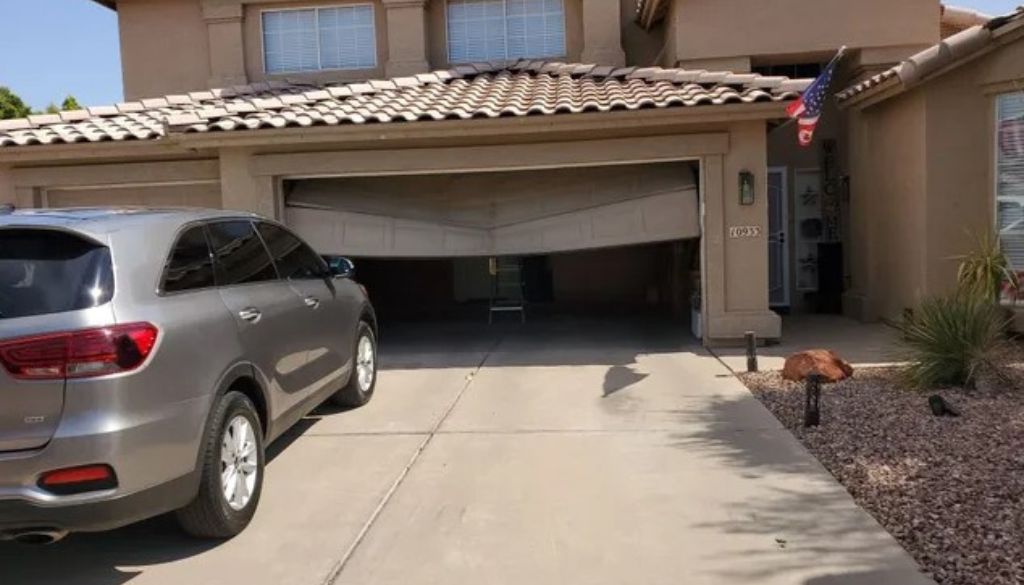
If a door really feels abnormally heavy by hand, goes down rapidly, or has a hard time partway via traveling, that is a service problem, not just a nuisance. In homes, that commonly turns into a require residential garage door repair. In organization setups, it can become an operational interruption that requires rapid business garage door repair to keep automobiles and staff moving safely.
Climate commonly makes a decision greater than design does
Climate is just one of the clearest overviews to material option, yet it is still underweighted in numerous buying decisions. An attractive door that deals with the environment every day will cost more in the lengthy run.
In seaside areas, deterioration resistance must be near the top of the list. Aluminum, fiberglass, vinyl, and meticulously finished steel all have functions below, but revealed without treatment steel components can degrade promptly in salty air. Hardware quality ends up being equally as crucial as panel material.
In chilly environments, insulation and seal top quality are worthy of serious interest. The material ought to support a steady shielded building and construction that restricts drafts and reduces condensation problems. If the garage is affixed to the home, this can affect comfort in spaces nearby and minimize strain on home heating systems.
In warm, sunny areas, UV exposure and warmth accumulation matter. Dark doors absorb more warmth. Wood finishes can age quicker. Glazed light weight aluminum doors can turn a garage right into a greenhouse if the glass is not selected carefully. Also steel can come to be annoyingly hot to the touch, though that is more a user convenience problem than an architectural flaw.
In storm-prone locations, architectural reinforcement may outrank all other issues. The most effective material is the one that satisfies local wind-load needs and has actually proven hardware to back it up. Often that indicates jeopardizing on a preferred aim to get a much safer system.
Matching material to the structure type
Homes and industrial residential properties might both utilize overhead doors, yet the ideal product is frequently different since the usage pattern is different.
For most homes, the option often tends to revolve around steel, timber, or compound. Affixed garages take advantage of insulated building. Street-facing garages justify even more focus to style. Separated energy garages can lean more greatly on functionality and price.
Commercial homes commonly prioritize toughness, use, and cycle efficiency. A door at a service center, self-storage facility, shipment bay, or fleet building will see wear that many homes never experience. That alters the product conversation. The panel that looks best in a sales brochure may not be the panel that endures carts, devices, weather condition exposure, and regular operation.
A valuable way to think of it is this:
|Concern|Product often worth taking into consideration||-- |--|| Cheapest maintenance for lots of homes|Insulated steel|| Costs typical look|Wood or premium composite|| Modern full-view design|Aluminum with glass|| Wetness and salt exposure|Aluminum, fiberglass, plastic, safeguarded steel|| High-use useful openings|Commercial-grade steel systems|
That table is a beginning factor, not a substitute for website conditions. Equipment high quality, door density, insulation method, finish, and installer ability still choose a lot.
A short useful filter before you commit
If you are narrowing choices, this quick structure normally brings clarity:
Decide how much maintenance you will truthfully endure over five to 10 years. Match the material to your environment prior to you match it to your favorite photo. Ask regarding total door weight and verify the spring and opener sizing. If the garage is affixed, deal with insulation and sound as significant aspects, not extras. For commercial use, concentrate on cycle needs and repair service downtime before appearance.Those 5 factors eliminate many pricey mistakes.
Where repairs get in the picture
Material choice does not remove future service demands, yet it strongly influences what those needs resemble. Steel doors often need attention for dents, corrosion areas, or used climate seals. Timber doors may need refinishing, panel repair service, or adjustment of movement-related issues. Light weight aluminum doors can endure structure or panel dents. Any kind of material can establish hardware wear, cord issues, track imbalance, or spring fatigue.
This is where the language of garage door repair ends up being sensible, not common. A house owner requiring domestic garage door repair might actually be taking care of a material-related trouble that has actually affected the balance or positioning of the system. A business asking for business garage door repair may uncover that repeated effect on a lighter panel product are creating more downtime than expected. A call for garage door spring replacement often traces back to a heavier-than-assumed door or one that cycles even more often than the original style anticipated.
Good installers assume numerous years ahead. They do not simply ask whether the door will fit and look great. They ask what is most likely to break very first, just how very easy it will be to service, whether areas can be changed independently, and whether the chosen garage door opener will certainly still be appropriate after the product, insulation, and decorative plan are finalized.
The finish matters virtually as much as the base material
People typically discuss the door material as though it acts alone, yet the finish belongs to the performance tale. A high quality coating protects steel from deterioration. A well-applied paint or discolor safeguards wood from moisture and sunlight. UV-resistant surface areas help maintain color and appearance on artificial materials.
This is one location where acquiring the most affordable version of a good material often disappoints. Thin layers discolor much faster. Lower-grade paint systems chalk sooner. Decorative laminates can peel or weather badly if they are not constructed for local conditions. When comparing quotes, it is worth asking not simply what the door is constructed from, yet exactly how it is finished, what service warranty puts on that surface, and what maintenance the manufacturer expects.
What I would certainly select alike real-life scenarios
For an affixed country garage where comfort, budget plan, and low maintenance issue, I would generally favor an insulated steel door with a resilient baked-on coating and a silent belt-drive garage door opener. It is hard to beat the all-around practicality.
For a historic or architecturally distinct home where aesthetic credibility issues most, timber may still be the appropriate answer, gave the proprietor accepts the maintenance and the equipment is engineered for the weight.
For a seaside residential property, I would beware with typical steel unless the safety systems are robust and the proprietor is devoted to maintenance. Aluminum or another corrosion-resistant choice typically makes even more sense.
For a contemporary home with strong building lines, aluminum and glass can look extraordinary, yet I would certainly discuss privacy, insulation, and effect threat early, before anybody loves the appearance alone.
For a busy service building or storehouse, I would commonly prefer commercial-grade steel selected for cycle life and repairability over lighter visual options.
The right material is the one that fits your conditions
The best garage door product is rarely one of the most costly or the most appealing. It is the one that fits the environment, the structure, the everyday workload, and the proprietor's resistance for maintenance. An attentively selected steel door can outmatch an ignored timber door. A costs compound might deliver the appearance a property owner wants without the upkeep they recognize they will stay clear of. A modern-day aluminum system may be ideal in one setting and a dinged up regret in another.
That is why product option need to never ever be rushed. Ask exactly how the door will certainly mature, not simply exactly how it will certainly view on setup day. Ask what it weighs, what springtimes it requires, just how it affects the garage door opener, and what common repair services are most likely with time. If those questions are responded to plainly, the appropriate selection normally becomes obvious.
When the product matches the actual needs of the residential or commercial property, garage door installment ends up being a long-lasting enhancement rather than a short-term upgrade. And that is the distinction in between a door that merely fills up an opening and one that performs dependably for years.