A garage door that drinks, rattles, or shakes is not simply bothersome. It is typically informing you that something in the system is out of equilibrium, loose, worn, or functioning tougher than it should. Often the solution is simple, like tightening up a brace or replacing a worn out roller. Various other times the resonance points to a bigger problem with the garage door motor, the springtimes, the tracks, or the door itself.
If you survive the Gold Coastline or anywhere exposed to severe weather condition, the risks are higher than sound alone. A garage door is just one of the largest relocating components of a home, and Queensland guidance treats it as a known powerlessness in cyclones. A door that bends way too much, rumbles severely, or does not close firmly can end up being a real obligation when storms show up. That is why fixings, inspections, and preventive upkeep for garage doors matter a lot here, not only for comfort but for resilience.
what resonance is really telling you
A garage door must move with a regulated, steady activity. You need to listen to the electric motor working, rollers moving via the track, and the occasional click of equipment settling. What you need to not listen to is terrible shaking, a deep drumming sound, or a door that appears to bounce as it opens up or closes.
Vibration generally comes from among a few areas. The door panels may be misaligned or damaged. The tracks may be loose or out of real. Rollers may be put on or otherwise rotating cleanly. Springs might be unbalanced. The opener may be pulling against a door that is also heavy for it, or the electric motor itself might be wearing. In some homes, the issue begins with a brace or joint that has loosened over time and currently acts like a tiny amplifier each time the door moves.
The vital thing is to check out the signs and symptom carefully. A door that shakes only at the start of travel might be capturing on the track. A door that drinks midway up may have an opener issue or a bent area. A door that rattles at the end of the cycle may be related to travel limitations, equipment looseness, or an inadequate seal that allows the door to bang against the frame.
start with the best checks
Before touching anything, separate the power to the opener if you are going to check very closely. Maintain your hands free from springs and cables. Those parts save significant power, and they are not an area for guesswork.
A straightforward aesthetic assessment typically reveals the source of the problem. Look at the door from inside the garage while it opens and shuts. Expect wobble in one section, side-to-side motion in the track, or a roller that appears to stick. Listen for sharp metal clicks, grinding, or a reduced shaking hum from the garage door motor. Those noises can direct you towards the failing component without taking apart the system.
If the door has lately begun shaking after a storm, examine the structure, seals, and visible equipment very carefully. Queensland storm assistance regularly emphasizes obtaining homes all set before extreme climate, and in practice that means checking the garage door as part of the structure envelope. Spaces, harmed seals, and loosened correctings can become worse after solid wind or repeated stress on the door.
the most typical root causes of a drinking garage door
There is no solitary repair for every vibrating door. In the field, I normally see a combination of wear and little misalignments rather than one disastrous failure. That is why a careful medical diagnosis matters.
Sometimes the rollers are the culprit. Older rollers can flatten, fracture, or stop transforming smoothly. When that takes place, the door no longer glides through the track. It babbles rather, and the resonance relocates with the whole structure. Nylon rollers often run quieter than old metal ones, but whatever the product, the secret is smooth rotation and great alignment.
Loose equipment is an additional frequent reason. Over months and years, hinges, braces, and track bolts work themselves slightly totally free. Also a percentage of movement can produce a recognizable shake. On lightweight doors, the sound might be extra apparent than the mechanical issue itself. On larger doors, the resonance can be solid sufficient to rattle kept items in the garage.
Track problems can likewise create extreme resonance. A track that has changed, curved, or end up being unequal forces the rollers to eliminate the path instead of following it. The door might bind in one spot and afterwards leap ahead. That dive is what numerous home owners describe as a shake.
The springtimes deserve special attention. If the equilibrium is off, the opener has to do too much lifting. That added stress can make the whole system shudder. A door that really feels heavy by hand or will certainly not remain partly open is usually an indicator that the springtime system requires expert attention.
Then there is the opener itself. A weak, exhausted, or poorly adjusted garage door motor can cause jerky activity, especially if it is additionally trying to raise a door that needs service. The vibration may be coming from the motor real estate, the rail, or the factor where the opener attaches to the door. Some openers just send normal mechanical movement more loudly than others, but a new resonance is usually worth investigating.
how to repair a garage door that shakes or vibrates
The best fixing path depends on what is actually causing the vibration. Beginning with the components that are most convenient and safest to examine, after that function upwards in complexity.
a sensible fixing sequence
Tighten apparent loose hardware, consisting of hinges, track braces, and opener placing points. Check the rollers for wear, level areas, or inadequate motion, then change any type of that are damaged. Inspect the track for bends, misalignment, or placing issues, and appropriate minor placing problems. Look at the door balance and springtime efficiency, since an out of balance door can force the entire system to shake. Test the garage door electric motor for strain, unusual noise, or jerky traveling, particularly after the mechanical parts have been checked.That order issues. Individuals often blame the opener first and replace it when the actual problem was a loose joint or a curved track. I have actually seen a couple of instances where a house owner prepared to get a brand-new motor, just to discover that 2 track bolts had backed out and the door was shaking against the framework. Repairing that conserved time and money.
when the garage door electric motor belongs to the problem
The garage door motor is not constantly the source of the difficulty, however it typically subjects it. If the opener seems like it is stressing, shudders during traveling, or shakes heavily at the beginning or end of the cycle, do not neglect it. The electric motor might be managing too much resistance, or it might have interior wear that is currently influencing performance.
If the door moves openly by hand when separated from the opener, the electric motor is most likely to be the concern. If the door still feels rough by hand, the issue is mechanical as opposed to electric. That distinction saves a great deal of squandered effort.
Motor-related resonance can also come from poor mounting. If the opener is not protected effectively, the rail and drive elements can move vibration into the ceiling framework. In some garages, that produces a louder noise than the real mechanical mistake. Tightening up the mounting factors may assist, however only if the opener is essentially sound. If the electric motor is old, unstable, or mismatched to the door load, substitute is frequently the a lot more practical answer.
rollers, joints, and tracks are entitled to cautious attention
These are the parts that most often transform a smooth door right into a shaky one. Rollers need to transform cleanly. Joints ought to hold each panel in line. Tracks ought to be directly sufficient and protect enough to assist the door without requiring it.
A helpful practice is to evaluate one area at once. Try to find irregular voids in between panels, rusted hardware, missing out on fasteners, or places where the door appears to lean as it moves. On sectional doors, one curved hinge can produce a causal sequence that gets to the remainder of the door. On roller doors, problems might show up as a constant rattle or a guide that becomes worse as the door travels.
If a track is somewhat out of line, tiny adjustments can aid, but significant distortion generally asks for specialist fixing. The same relates to cable televisions and springtimes. These are not components to try out unless you are educated to work on them. A garage door under stress can act unexpectedly if managed incorrectly.
storm strength alters the repair priorities
On the Gold Coastline, repair work decisions ought to not stop at making the door quieter. Queensland advice makes it clear that garage doors can be a weak spot in cyclones and serious tornados. A door that shakes, gaps, or flexes excessively might need greater than a fast tune-up if it is to handle serious wind pressure.
That is where compliance and ranking matter. Official support claims garage doors need to follow AS/NZS 4505 and be properly ranked for wind stress, or have a supporting system when a cyclone is coming close to. That guidance is not academic. When a garage door falls short in high wind, the damages can prolong past the door itself. Wall surfaces, ceilings, and roofing system cladding can be impacted if the opening is compromised.
For home owners, that means a fixing conversation need to consist of more than noise decrease. Ask whether the door is suitable for neighborhood storm conditions, whether any kind of non-compliant door needs to be replaced, and whether the securing and locking system provides the home the best degree of security. In some cases, a door that is still practically operable might not be the appropriate door for the website anymore.
seals, spaces, and the home envelope
A shaking door usually includes tiny voids that are easy to disregard till weather condition transforms. Side seals, top seals, and lower seals all contribute to security and security. If they are worn, split, or pressed erratically, the door may move greater than it should and might allow wind-driven rain or debris.
Checking the seals is straightforward, yet the effect can be considerable. A door that sits well in the opening tends to move a lot more easily. A door with huge voids or a distorted seal can chatter in the structure. The same logic relates to the surrounding framework. If the opening itself is not square or protected, the door can only do so much.
This is one of those areas where preventive upkeep for garage doors settles. Seals are cost-effective compared to damaged panels or a full replacement. And in a storm-prone area, also a small enhancement to the structure envelope can make a difference when the weather condition turns quickly.
emergency repair services after a storm
After severe weather, speed issues, yet so does caution. If a garage door is curved, partially off track, obstructed, or declining to close, that is an emergency situation repair service circumstance. The goal is to protect the opening without making the damages worse.
Do not keep cycling a door that is noticeably harmed. Repeated efforts can get worse panel contortion, pressure the garage door electric motor, and pull hardware better out of positioning. If the door has been hit by wind, debris, or a structural shift, have actually the opening assessed before using it once again. A door that shows up to work but is compromised can fall short all of a sudden on the following cycle.
Post-storm inspection need to consist of the door surface area, tracks, braces, seals, opener places, and any kind of noticeable distortion around the structure. If the garage is part of an organization building, the same reasoning applies. Queensland service storm-preparation support emphasizes planning ahead and responding swiftly after serious climate, which is just as pertinent to gain access to doors and protected entrances as it is to various other infrastructure.
when repair stops making sense
There is a factor where fixing ends up being a spot, not an option. If a door is old, terribly out of conformity, continuously trembling after service, or currently revealing wood garage doors storm-related wear, substitute may be the better financial investment. That is especially real if the door is not correctly ranked for regional wind stress or if the existing arrangement has no meaningful supporting option.
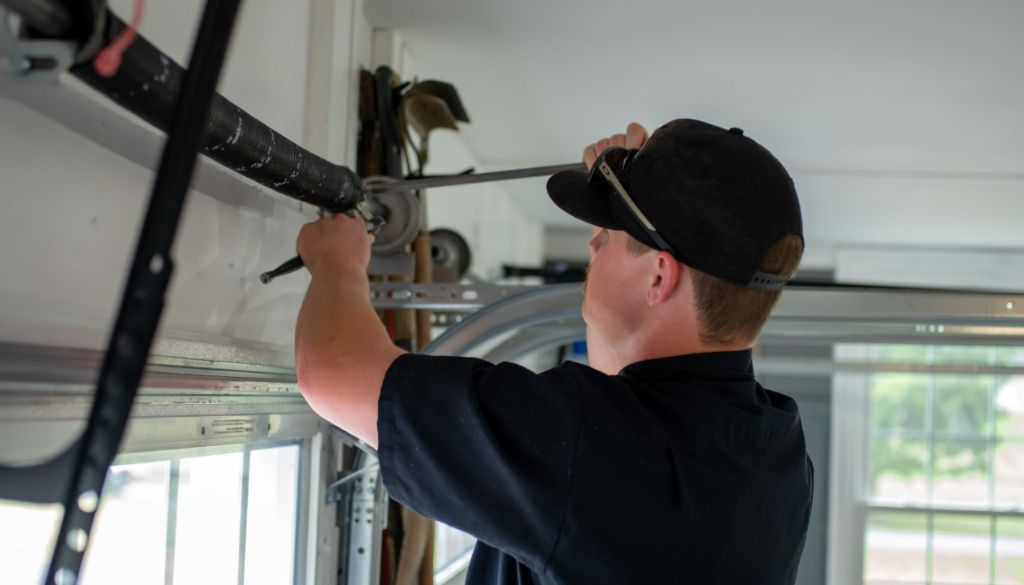
I have seen property owners spend money on duplicated modifications, rollers, and opener parts, just to wind up facing the same vibration once more every season. Once the panels are tired out or the structure no more extension spring repair holds positioning, the problem returns. A new door can fix greater than one concern at once. It can enhance activity, safety and security, noise, and resilience.
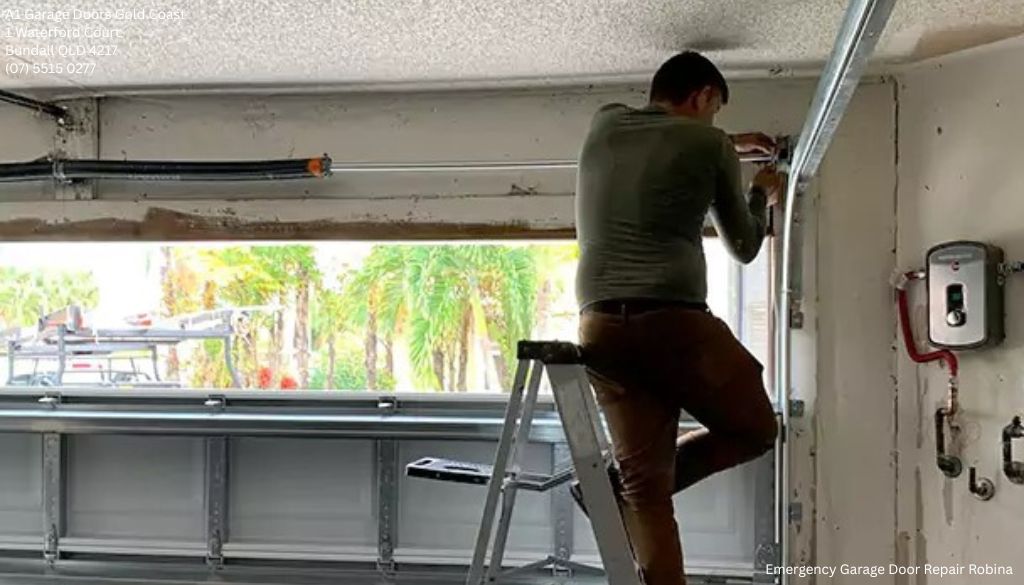
Replacement is not constantly immediate, but it needs to be considered when the door's basic framework is the weak spot. That is specifically true in areas where severe storms are an actual seasonal concern.
a maintenance rhythm that protects against the issue from returning
The easiest garage doors to live with are the ones that get tiny attention prior to they come to be huge repairs. A seasonal assessment is typically enough for several homes, though storm-exposed residential or commercial properties may take advantage of closer surveillance. Take a look at the rollers, tracks, joints, seals, opener places, and balance. If something seems different, it usually is.
An easy upkeep routine also aids you catch changes early. Open and shut the door a few times on a monthly basis and pay attention with the garage quiet. If a new resonance appears, take care of it prior to it turns into a broken springtime, damaged opener, or tornado susceptability. That is the functional side of preventative upkeep for garage doors. It is not glamorous, however it is much less costly than waiting for a failure.
Noise reduction and power performance commonly boost together with repair too. A door that is lined up, sealed, and correctly balanced has a tendency to run more efficiently and hold up far better. That matters whether the objective is everyday benefit, security, or weather readiness.
what a mindful property owner can do, and where to stop
A homeowner can generally identify loose equipment, worn seals, surface damage, and noticeable track problems. You can pay attention for electric motor pressure, examine whether the door moves efficiently, and note whether the trouble changes with position or speed. Those monitorings are valuable since they narrow the repair work quickly.
Where you should quit goes to anything involving high-tension parts or significant architectural adjustment. Springs, cords, and drastically misaligned tracks are specialist territory. So is any door that has been damaged by wind or storm pressure and might no more be safe to run. The same caution applies if the opener is shaking due to the fact that the door tons is expensive. That is a systems issue, not a fast fix.
If you are trying to choose whether you require a repair or a substitute, the best inquiry is not only, "Can it still open?" It is, "Does it open efficiently, firmly, and with sufficient toughness for the problems I live in?" For homes in cyclone-prone components of Queensland, that concern deserves asking every season.
A garage door need to close solidly, relocate cleanly, and shield the opening when climate gets rough. When it drinks or vibrates, it is typically requesting for attention long prior to it fails completely. Deal with that early caution seriously, and you will certainly have a far better opportunity of staying clear of bigger repair services, emergency callouts, and the kind of tornado damages that begins at the garage and spreads out outward.